A managed firewall for businesses controls what traffic enters and leaves an SME’s network, with a specialist team keeping it configured, updated and monitored.
Most small and medium-sized businesses hold information worth protecting: customer records, staff details, payment data and supplier contracts. A firewall installed once and left alone falls a little further behind every month, as new threats appear and the business changes around it.
In this article, we look at what a managed firewall protects against, where its protection stops, and what SMEs should expect from the service.
What a managed firewall for businesses does
The firewall and the service around it
A firewall sits between a business network and the internet. It checks traffic against a set of rules and decides what gets through and what gets blocked.
The “managed” part is the people behind it. A provider configures the firewall to suit the business, applies security patches, keeps threat information up to date, reviews the rules and watches for anything unusual. Without that ongoing work, even a good business-grade firewall slowly drifts out of step with the risks it’s meant to stop.
Why SMEs are a target
Larger organisations usually have dedicated security staff, but most SMEs don’t, and attackers know it.
Much of the threat is automated, too. Scanning tools sweep the internet looking for open ports and unpatched devices, with no interest in how big the business behind them is. Smaller firms can also be a route into the larger customers and partners they work with, which makes them worth targeting in their own right.
The threats a managed firewall for businesses protects SMEs against
Each of the following is a common way into an SME’s network, and each is something a properly run firewall is set up to deal with.
Unauthorised access and intrusion attempts
Every network connected to the internet gets probed from outside, constantly. A managed firewall blocks connections the business didn’t ask for, closes ports that aren’t in use, and allows only the traffic the business actually needs. Anything else is refused by default.
How a managed firewall for businesses blocks malware and ransomware
Firewalls use regularly updated lists of known malicious addresses and connections. When a device inside the network tries to reach one, whether through a malicious download or a compromised website, the connection can be stopped.
The same applies if a device is already infected and tries to contact the people controlling it. Cutting off that connection can limit the damage. A firewall won’t clean malware off a laptop, though; that’s a job for endpoint protection.
Exploits in outdated firmware
The firewall itself is a target. Manufacturers regularly find and fix weaknesses in their own devices, and once a fix is announced, attackers start scanning for anyone who hasn’t applied it.
A managed service applies those patches promptly, in line with the manufacturer’s guidance, so the device protecting the network doesn’t become the way in.

Unsafe supplier and third-party access
Card terminal providers, software vendors, CCTV installers and alarm companies often need some access to a business network. Each request usually means a new firewall rule.
The risk comes later, when a rule created for a one-off job is never removed. A managed service checks those requests before access is granted, and closes off access that’s no longer needed.
Insecure remote access
Staff working from home or on the road still need office files and systems. Leaving remote desktop open directly to the internet is one of the more common routes attackers use.
A VPN or secure remote access gateway lets staff connect to the office without exposing the network to everyone else.
Threats that start inside the network
Some threats begin on devices already connected to the network. Segmenting the network keeps staff devices, guest Wi-Fi, card terminals and other equipment apart, so an infected phone on the guest network can’t reach the accounts server.
Outbound rules can also stop sensitive data leaving the business through unapproved file-sharing apps.
Where a firewall’s protection stops
A firewall controls network traffic. It can’t judge the contents of every email or the intent behind every login.
A phishing email arriving through a normal, permitted mail connection will usually get through. So will someone signing in with a stolen password. A website hosted with an outside provider sits beyond the office firewall altogether, and no firewall can stop a member of staff from making a mistake.
That’s why a firewall works best as one layer of protection, alongside antivirus or endpoint protection, multi-factor authentication, regular backups and staff who know what a suspicious email looks like.
Why SMEs choose a managed firewall over managing it in-house
Running a firewall properly takes time and specific knowledge. In a small business, the job often falls to whoever is most comfortable with technology, on top of their actual role.
What SMEs should expect from a managed firewall for businesses?
A worthwhile service should cover:
- Live monitoring of the network for unusual activity
- Firmware updates and security patches applied promptly
- Threat information kept current
- Regular rule reviews, with changes checked before they’re made
- Coordination with suppliers who need network access
- One clear point of contact when something goes wrong
- Data protection obligations
Under GDPR, businesses must put appropriate technical and organisational measures in place to protect personal data. Most personal data breaches must also be reported to the Data Protection Commission within 72 hours of the business becoming aware of them, unless the breach is unlikely to put anyone at risk.
A managed firewall is one of those technical measures. Its logs and change records also help show that the business took reasonable steps to protect the data it holds.
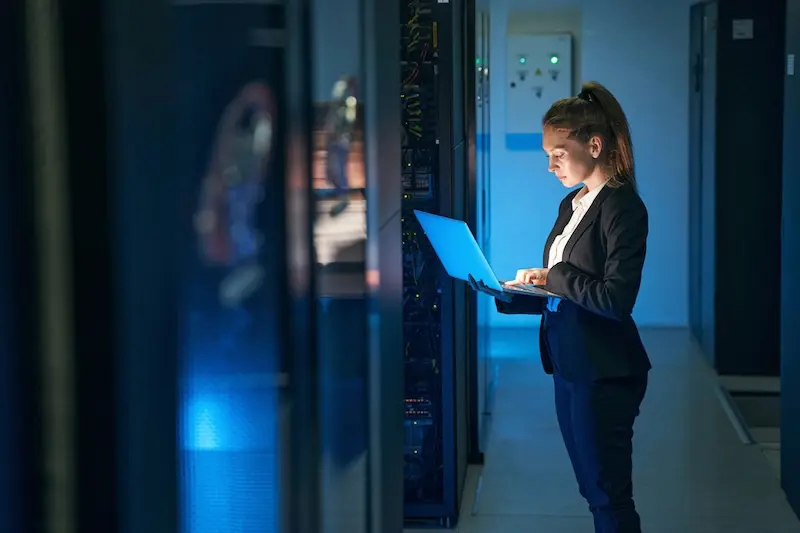
Managed Firewall and Network from One Contact
At One Contact, we take your data security very seriously. Your firewall is the front door between your business and the internet, and it needs to be professionally installed and actively managed to do its job properly.
Our Managed Firewall and Network service gives Irish SMEs:
- All network devices maintained: your firewall, switches, Wi-Fi access points and more, looked after by one team.
- Always up to date: current virus and bad-actor feeds, so your firewall recognises malicious connections.
- Firewall rule management: we check third-party supplier requests so they don’t open unsafe access to your network.
- Supplier coordination: we deal directly with the suppliers who need to interact with your network.
- Live proactive monitoring: our team watches your network continuously and works to fix issues before they become problems.
- Security patches and updates: applied in a timely fashion, in line with your firewall manufacturer’s recommendations.
- Secure remote access: VPNs and Secured Remote Desktop Gateways, so your team can reach the office when and where they need to.
- Linked offices: MPLS, Managed Ethernet, SD-WAN and VPNs to connect multiple locations and share resources securely.
With one point of contact and Dublin-based engineers who take ownership of every issue until it’s resolved, you can get on with running your business.
Contact our experienced team to talk through how a managed firewall would protect your business.
Managed firewall for businesses FAQs
Q: What is a managed firewall for businesses?
A: A business-grade firewall that a specialist provider configures, patches, monitors and keeps up to date, so the business doesn’t have to run it in-house.
Q: What’s the difference between a firewall and a managed firewall?
A: A firewall is the device or software that filters traffic. “Managed” means a provider takes responsibility for running it day-to-day, from rule changes to security updates.
Q: Is a router’s built-in firewall enough for a small business?
A: Usually not. Basic router firewalls offer limited control and visibility, and they’re rarely updated or monitored the way a business-grade firewall should be.
Q: Can a managed firewall stop ransomware?
A: It reduces the risk by blocking known malicious connections, but no single tool can guarantee prevention. It should sit alongside backups, endpoint protection and staff awareness.
Q: Is a firewall the same as antivirus software?
A: No. A firewall controls traffic moving in and out of the network. Antivirus software finds and removes malicious software on individual devices. A business needs both.
Q: Will a managed firewall slow down our internet connection?
A: Not if it’s correctly sized and configured. Security checks use processing power, so the firewall needs to match the speed of the connection it protects.
Q: How often should firewall rules and firmware be checked?
A: Security patches should be applied soon after they’re released, and rules should be reviewed regularly so temporary access doesn’t stay open longer than it’s needed.
Q: Does a firewall help with GDPR?
A: Yes. GDPR expects appropriate technical measures to protect personal data, and a properly managed firewall is one of them. Its logs also help show the steps a business has taken.
Q: What does One Contact’s Managed Firewall and Network service include?
A: We maintain your firewall and network devices, keep threat feeds current, manage firewall rules and supplier access, apply security patches, monitor your network live, and provide secure remote access and links between offices.
Q: Why should Irish SMEs choose One Contact for a managed firewall?
A: We give you one point of contact for your network security, backed by over 45 years of combined experience, Dublin-based engineers and live, proactive monitoring.